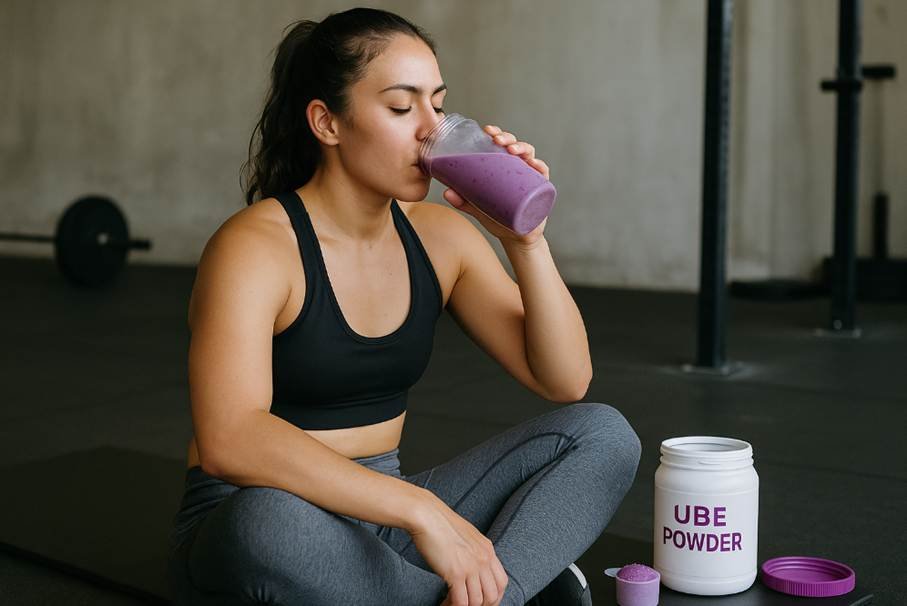
Why athletes are adding ube to their daily nutrition?

If you’ve ever spotted that bright purple root at the farmer’s market or in your favorite dessert and wondered, “Can this actually help with training?”, you’re not alone. Ube, a vibrant and nutrient-packed purple yam native to Southeast Asia, has quietly been gaining popularity in the athletic world and not just for its looks. More than a trendy color on your plate, ube might just be the secret weapon your routine is missing. Packed with slow-digesting carbohydrates, antioxidants, and essential vitamins, ube offers more than just a sugar high. It fuels performance, helps your body bounce back after intense workouts, and may even support long-term joint health thanks to its natural anti-inflammatory compounds. Whether you’re a casual gym-goer or a dedicated endurance athlete, it’s time to dive deep into how this tropical tuber could elevate your game.
What makes ube a powerful food for athletic performance?
Let’s start with the basics. Ube is a starchy root vegetable, similar in texture to sweet potato, but naturally sweeter and richer in antioxidants. Its bright purple color is due to anthocyanins compounds that fight oxidative stress, a common issue athletes face during heavy training. But its beauty is more than skin deep. One of ube’s main advantages is its high carbohydrate content. Carbs are the body’s primary energy source during exercise, especially high-intensity or endurance workouts. Ube provides complex carbohydrates that digest slowly, offering a sustained energy release instead of a quick spike and crash. This makes it an excellent choice for pre-workout meals or midday refueling.
Additionally, ube contains essential micronutrients like vitamin C, potassium, and manganese, which contribute to muscle function, electrolyte balance, and metabolic health critical areas for any athlete. Its fiber content also supports digestive health, keeping your gut in check even under physical stress. Athletes looking to reduce inflammation naturally will also find value here. The antioxidants and anti-inflammatory properties in ube can assist in muscle recovery and potentially reduce soreness after tough sessions. For those incorporating superfoods into their regimen, this is where products like ube powder come into play. Ube powder is a versatile option that retains the root’s nutritional value and can be mixed into smoothies, oats, or even protein pancakes.
See also: Gentle Guidance Through Life’s Health Changes
How ube supports muscle recovery and glycogen replenishment
Recovery is just as crucial as the workout itself. One of the first things your body needs after training is to restore glycogen stores, which get depleted during intense activity. Ube is naturally rich in carbs and has a low glycemic index, making it ideal for post-workout glycogen replenishment without causing blood sugar spikes. More impressively, ube’s nutrients go beyond just carbs. It offers small amounts of plant-based protein and vitamin C, which supports collagen production a critical factor in tendon and muscle repair. This combination helps your muscles heal faster and stronger, reducing downtime between sessions. Some bodybuilders and endurance athletes even incorporate ube into their meal-prep routines as a clean bulking food. Unlike processed carb sources, ube provides real nourishment without excess sugar or artificial additives.
Ube vs. other carb sources
Let’s compare ube to other common choices like white rice or pasta. While both are efficient energy sources, they lack the antioxidants and fiber that ube brings. Sweet potatoes are closer in profile, but ube contains a different mix of phytonutrients particularly anthocyanins which enhance cellular repair and immune function. The result? A smoother recovery, less inflammation, and better long-term performance for athletes.
Ideal timing for ube consumption
Ube is most effective when eaten:
- Before endurance workouts (90 – 120 minutes before)
- Post-training within the 30-minute anabolic window
- As part of a balanced evening meal to support overnight recovery
By timing it right, athletes can optimize fuel usage, reduce soreness, and come back stronger for the next session.
Can ube improve endurance and stamina naturally?
Endurance athletes need more than just willpower. Fuel is everything. The body relies on a steady stream of glucose, oxygen, and micronutrients to perform under pressure and that’s where ube shines. Thanks to its slow-digesting carbs and micronutrient density, ube is an excellent energy source for athletes who train for long durations think marathoners, cyclists, or triathletes. The anthocyanins in ube have also been shown to support cardiovascular health, improving blood flow and oxygen delivery to muscles.
Moreover, athletes who are often prone to fatigue or energy dips may benefit from integrating ube into their weekly meal plan. It’s a natural way to extend stamina without relying on synthetic energy gels or pre-workout formulas. Here are key reasons why ube supports long-lasting energy:
- Complex carbs
- Natural sugars
- Electrolytes (potassium)
- Antioxidants
- Fiber
- Low glycemic load
Combining all these elements helps maintain stable energy levels while protecting the body from oxidative stress during and after training.
How to incorporate ube into a sports diet effectively
For those new to this purple powerhouse, you might be wondering how to include ube in your daily nutrition. The good news? It’s incredibly versatile and fits into various dietary preferences vegan, paleo, or high-carb. Whole ube can be steamed, mashed, or roasted and served with lean protein or greens. For convenience, ube powder is perfect for mixing into shakes, yogurt, oatmeal, or energy balls. The naturally sweet flavor also makes it ideal for healthy baked goods like muffins or pancakes that fuel your morning workouts. Some meal ideas using ube:
- Ube and banana post-workout smoothie
- Roasted ube with grilled salmon
- Overnight oats with ube powder and almond milk
- Ube protein waffles topped with berries
One important note: while ube is nutrient-rich, portion control still matters. Balance it with protein, healthy fats, and greens for a complete athletic plate.
Is ube really better than sweet potatoes for athletes?
It’s a fair question and while sweet potatoes are fantastic, ube brings a unique set of benefits. The key difference lies in their antioxidant profile. While both are rich in fiber and complex carbs, ube’s high anthocyanin content gives it an edge for reducing exercise-induced inflammation. Athletes with joint pain or oxidative stress may find more relief with ube. That said, it doesn’t have to be one or the other. Incorporating both in rotation can offer a broader spectrum of nutrients, keeping your meals interesting and effective.
Final thoughts on adding ube to your athletic diet
There’s something undeniably powerful about finding a food that’s both nourishing and enjoyable to eat. Ube delivers on both fronts. With its combination of steady energy, anti-inflammatory support, and natural sweetness, it’s no surprise that more athletes are turning to this colorful tuber as part of their performance toolkit. Whether you’re training for a race, lifting heavy, or just trying to keep your body in top form, consider adding ube to your plate. Try it once, and your body might just thank you with that extra rep, that longer run, or that faster recovery.