Fire Risk Assessment: The Ultimate Practical Guide to Prevent Deadly Fire Hazards (2026)

Understanding Fire Risk Assessment
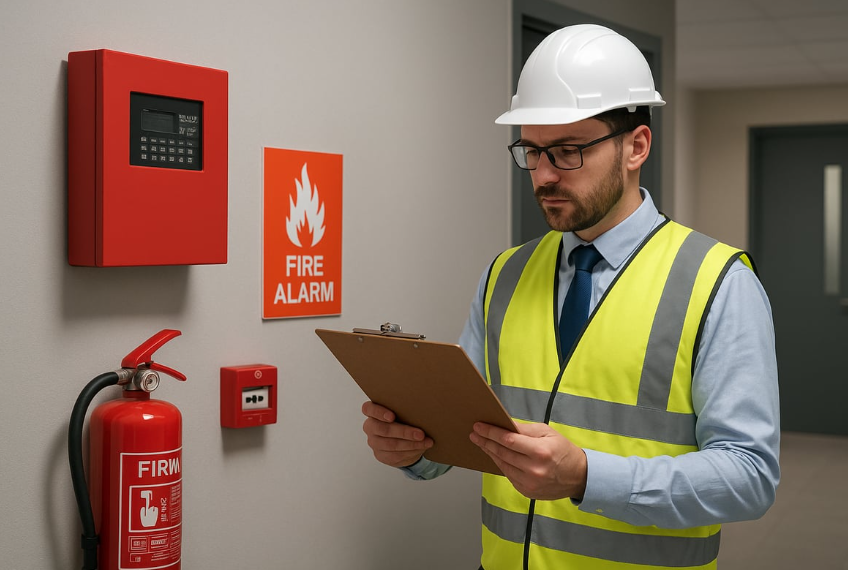
A Fire Risk Assessment is the foundation of fire safety in any building. It is a structured and systematic review of premises to identify fire hazards, evaluate the risk to people, and implement safety measures to reduce or eliminate those risks. Whether you manage an office, rental property, shop, or industrial site, this process helps prevent fires and protects lives.
Fire incidents can start unexpectedly—from faulty wiring, careless smoking, overloaded sockets, or poor housekeeping. A proper Fire Risk Assessment ensures that these dangers are identified before they turn into disasters. More importantly, it helps organizations comply with fire safety laws and avoid severe penalties.
Definition and Core Purpose
At its core, a Fire Risk Assessment aims to answer three key questions:
- What could cause a fire?
- Who could be harmed if a fire occurs?
- What controls are in place to reduce the risk?
The goal is not just compliance but prevention. When done correctly, this assessment reduces the chance of fire breaking out and ensures safe evacuation if one does occur.
See also: Preparing Your Home Move: 8 Things Your Home Removalist Sydney Will Thank You For
Why Fire Risk Assessment Matters
Fire spreads fast. In many cases, people have less than three minutes to escape once a fire starts. A well-planned Fire Risk Assessment saves lives by ensuring:
- Clear escape routes
- Proper fire detection systems
- Adequate fire-fighting equipment
- Staff and occupants are trained and informed
It also protects assets, reduces insurance claims, and enhances business continuity.
Legal Requirements for Fire Risk Assessment
Fire safety is not optional. Governments enforce strict laws to ensure buildings are safe.
UK Fire Safety Laws Explained
In the UK, the Regulatory Reform (Fire Safety) Order 2005 requires a Fire Risk Assessment for almost all non-domestic premises. This includes:
- Offices
- Shops
- Factories
- Common areas of residential buildings
You can learn more directly from the official UK government guidance on fire safety responsibilities .
Who Is Responsible for Fire Risk Assessment
The law places responsibility on the Responsible Person, which may be:
- Business owners
- Employers
- Landlords
- Property managers
Failing to meet this responsibility can result in fines, prosecution, or imprisonment.
Types of Properties That Need Fire Risk Assessment
Commercial Buildings
Commercial premises have higher foot traffic, electrical usage, and ignition sources. A Fire Risk Assessment ensures employees and visitors can evacuate safely.
Residential and Rental Properties
Landlords must conduct Fire Risk Assessment in common areas such as hallways and staircases. It helps ensure tenants’ safety and reduces legal liability.
Industrial and High-Risk Premises
Factories and warehouses face higher risks due to machinery, chemicals, and flammable materials. Fire Risk Assessment in these settings is essential and often more detailed.
Key Components of a Fire Risk Assessment
Identifying Fire Hazards
Common hazards include:
- Electrical equipment
- Open flames
- Flammable liquids
- Poor housekeeping
Identifying People at Risk
Special attention must be given to:
- Disabled individuals
- Elderly occupants
- Lone workers
- Night shift staff
Evaluating and Reducing Risks
Once risks are identified, they must be minimized through controls such as fire alarms, emergency lighting, extinguishers, and staff training.
Step-by-Step Fire Risk Assessment Process
Step 1: Fire Hazard Identification
Inspect all rooms, equipment, and processes to locate potential ignition sources, fuel, and oxygen supply.
Step 2: Risk Evaluation
Assess how likely a fire is to start and how severe the consequences could be.
Step 3: Implementing Fire Safety Measures
Install or improve safety controls such as:
- Fire doors
- Smoke detectors
- Clear signage
Step 4: Documentation and Review
All findings must be documented. The Fire Risk Assessment should be reviewed regularly or whenever changes occur.
Common Fire Hazards Found During Assessments
Some frequently discovered hazards include:
- Blocked fire exits
- Overloaded electrical sockets
- Inadequate fire extinguishers
- Poor staff training
Addressing these issues significantly reduces fire risk.
Fire Risk Assessment for Businesses
Offices and Retail Spaces
Businesses must ensure employees know evacuation procedures and that fire alarms are tested regularly.
Warehouses and Factories
Fire Risk Assessment here often includes storage methods, machinery safety, and handling flammable substances.
Fire Risk Assessment for Landlords
Landlords must protect tenants by maintaining fire-safe common areas, providing alarms, and ensuring escape routes remain clear.
How Often Should a Fire Risk Assessment Be Reviewed?
A Fire Risk Assessment should be reviewed:
- Annually
- After structural changes
- After a fire incident
- When occupancy changes
Regular reviews ensure ongoing safety.
Penalties for Failing to Conduct a Fire Risk Assessment
Failure to comply can lead to:
- Unlimited fines
- Business closure
- Prison sentences
Authorities take fire safety breaches seriously.
Hiring a Professional vs Doing It Yourself
Small, low-risk properties may allow self-assessment. However, complex buildings benefit from certified fire risk assessors with technical expertise.
Benefits of a Proper Fire Risk Assessment
- Protects lives
- Reduces fire incidents
- Ensures legal compliance
- Improves insurance terms
- Enhances reputation
Frequently Asked Questions (FAQs)
1. What is a Fire Risk Assessment?
It is a structured review to identify fire hazards, assess risks, and implement safety measures.
2. Is Fire Risk Assessment legally required?
Yes, for most non-domestic premises and common residential areas.
3. Who can carry out a Fire Risk Assessment?
A competent person or qualified professional.
4. How long does a Fire Risk Assessment take?
It depends on building size and complexity, ranging from hours to days.
5. How much does a Fire Risk Assessment cost?
Costs vary but are far lower than penalties or fire damage.
6. What happens if I don’t have one?
You risk fines, prosecution, and serious safety consequences.
Conclusion
A Fire Risk Assessment is not just a legal requirement—it is a critical responsibility. It protects lives, property, and businesses from devastating fire incidents. By identifying hazards early and implementing proper controls, you create a safer environment for everyone. Whether you manage a small office or a large facility, investing in a thorough Fire Risk Assessment is one of the smartest decisions you can make.