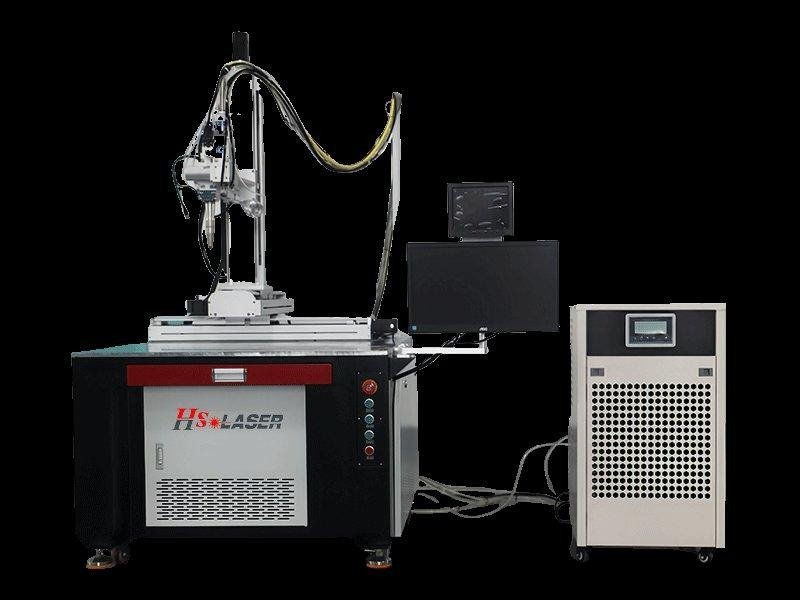
The Future of Laser Welding: Automation, Smart Controls and New Applications

Laser welding has already changed how factories join metal, but the technology is still moving quickly. Robots, smart sensors and new laser sources are opening up work that was impossible a few years ago. For manufacturers deciding where to invest, understanding these trends matters as much as understanding the machines themselves. A forward-looking laser welding machine manufacturer is not just selling today’s equipment; it is building systems that will still be competitive years from now.
Robots Take the Torch
The biggest change in laser welding is automation. Robots now carry welding heads along complex paths, working through the night with a consistency no human operator can match. A robot does not tire, does not vary its speed and does not need breaks, so the weld quality stays the same from the first part to the thousandth. Robotic cells are common in car factories and battery plants, where the same welds repeat endlessly, but smaller collaborative robots are now bringing automation to medium-sized workshops too. These robots work alongside people, stopping safely if someone comes close, and they can be taught new paths quickly. A laser welding machine manufacturer that offers robotic integration can help a workshop automate gradually, starting with one cell and adding more as confidence grows.
Smart Sensors and Real-Time Control
A weld is only as good as its settings, and settings that are perfect for one part may be wrong for the next if the material varies slightly. Modern laser welding systems use sensors to watch the weld as it happens. Cameras and light sensors monitor the weld pool, the seam position and the plume above the joint, and the control system adjusts power and speed in real time. Seam tracking follows the joint even if the parts are not perfectly aligned, which reduces scrap and rework. Some systems record every weld, creating a digital record that proves quality for customers in aerospace, medical and automotive work. This kind of monitoring turns welding from a craft that depends on the operator’s eye into a controlled, documented process.
Handheld Welding Grows Up
At the other end of the scale, handheld laser welding has made the technology accessible to small workshops. Early handheld machines were simple, but modern versions include wire feeders, preset programmes for common materials and safety systems that switch the beam off instantly if the gun is lifted. A skilled operator can now produce neat, strong welds on thin sheet, frames and repairs with a tool that feels much like a MIG torch. For job shops and repair businesses, this has been a quiet revolution: work that once needed a specialist can now be done in-house. A laser welding machine manufacturer that serves this market focuses on ease of use, training and support rather than raw power.
New Materials and New Jobs
Laser sources are improving all the time, and each improvement opens new work. Better beam control makes it easier to weld copper and aluminium, which reflect much of the beam and have always been difficult. Shorter pulse control allows welding of very thin foils for batteries and electronics. Dissimilar metal joints, such as steel to copper, are becoming routine in electric vehicle production. Additive manufacturing, where lasers build parts layer by layer from metal powder, is a close cousin of welding and uses much of the same technology. These developments mean that a machine bought today may find new uses tomorrow, provided it can be upgraded.
5 Trends Shaping Laser Welding
- Robotic cells: consistent welds around the clock.
- Real-time sensing: the machine adjusts itself during the weld.
- Digital records: every weld documented for quality assurance.
- Handheld systems: professional results in small workshops.
- New materials: copper, aluminium and dissimilar joints.
What This Means for Buyers
These trends matter when you are choosing a machine today. A system with good sensors and software will be easier to run and easier to prove to quality-conscious customers. A machine that can be upgraded will stay useful longer. A supplier that invests in automation and training will support you better. When you talk to a laser welding machine manufacturer, ask about its plans for the future: what upgrades are coming, how software is supported and whether your machine can grow with your work. A laser welding machine manufacturer that is investing in its technology is one that expects to be around for a long time. That matters, because the relationship with your supplier will last far longer than the purchase itself. Choose a machine that fits today’s work, from a laser welding machine manufacturer that is building for tomorrow, and your investment will keep paying back for years.
See also: Top Reasons to Study a Master of Science in Data Science in Singapore’s Thriving Tech Hub
Frequently Asked Questions
Will robots replace human welders?
Robots handle repetitive production work, but skilled operators are still needed for varied, complex and repair jobs. The two work together rather than one replacing the other.
Can an older laser welding machine be upgraded?
Often yes. Many systems accept new software, better optics or a more powerful source. Ask your laser welding machine manufacturer what upgrades your machine supports.
Is laser welding still improving?
Yes, quickly. Beam control, sensors and software improve every year, and each improvement brings better quality, new materials and easier operation.
Final Thoughts
Laser welding is moving towards smarter, more automated and more accessible systems. Robots and sensors bring consistency, handheld machines bring the technology to small workshops, and better beam control opens new materials. When you choose a laser welding machine manufacturer, look for one that invests in these developments and supports its machines for the long term. The technology you buy today should still be earning its keep tomorrow. When you are choosing a system, talk to a laser welding machine manufacturer about its plans for the future: a good laser welding machine manufacturer will help you invest with confidence.