Setting Up an Automatic Cellophane Overwrapping Machine: A Practical Guide

Buying an automatic cellophane overwrapping machine is only half the job. The other half is getting it into your factory, connected to your line, and running well with your own products. A good installation makes the difference between a machine that transforms your packing area and one that sits idle while problems are sorted out. This guide walks through the setup, step by step.
Plan the Space Before the Machine Arrives
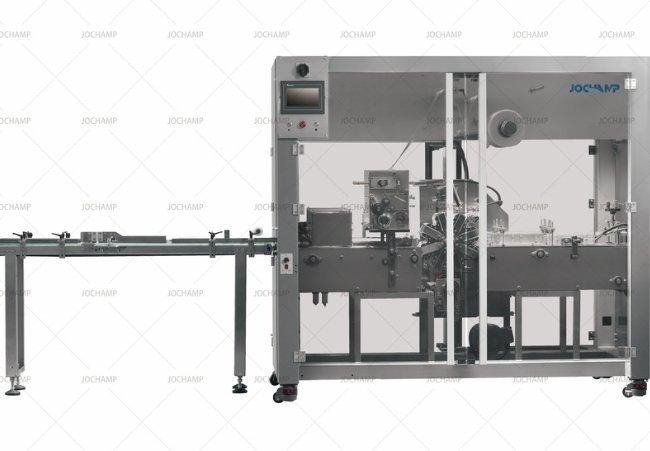
An automatic cellophane overwrapping machine needs more room than a semi-automatic model, because it works with conveyors on both sides. Measure the space carefully, including room for the infeed conveyor, the outfeed conveyor, and the operator to walk around the machine. Leave space for film rolls, finished packs and a small workbench for changeovers, since a cramped line slows everyone down.
Check the services as well. The automatic cellophane overwrapping machine needs a suitable power supply, and some models need compressed air. Ask the supplier for the exact requirements before the machine arrives, and have an electrician check that your supply can handle it. Sorting this out in advance avoids the frustration of a machine that cannot be switched on the day it is delivered.
Delivery, Positioning and Connection
When the machine arrives, it will usually come on a pallet or in a crate, and it will need to be moved into position with a forklift or a pallet truck. Plan the route from the delivery door to the packing area, and make sure doorways and corners are wide enough. Once the automatic cellophane overwrapping machine is in place, it should be levelled carefully, because a machine that is not level will wrap unevenly and wear its parts faster.
Connection comes next. The supplier should connect the automatic cellophane overwrapping machine to your existing conveyors, matching the belt heights and the speed so boxes flow smoothly from one stage to the next. This is the part of the job where experience matters most, and it is worth having the supplier’s engineer on site rather than trying to connect the line yourself.
First Run: Testing with Your Own Boxes
The first run should use your own products, not test boxes. Start with your most common box size, and watch the first packs closely. An automatic cellophane overwrapping machine should produce the same neat folds and flat seals as a smaller machine, only faster. Check the film tension, the sealing temperature and the cut length, and adjust them one at a time until the wrap looks right.
Time the changeover as well. Switch to a different box size and note how long it takes and what needs adjusting. That time is part of your working day, so it should be known rather than guessed. Write down the settings for each product once they are right, so the next run starts well.
Training the Team
Training matters more than the machine itself, because a well-trained operator will keep an automatic cellophane overwrapping machine running smoothly for years. The supplier should train at least one operator thoroughly: how to start and stop the line, how to change the film roll, how to adjust the settings for a new box size, and how to clean the machine at the end of a run.
It helps to train a second person as well, so the line does not stop when the main operator is away. Keep the manual where the team can reach it, and keep a simple sheet of the settings for each product near the machine. Good habits learned in the first week will save hours in the months that follow.
5 Setup Steps in Order
- Measure the space: room for conveyors, film rolls and the operator.
- Check the services: power and air supply ready before delivery day.
- Position and level: the machine must sit flat and square.
- Connect the line: match conveyor heights and speeds with the supplier’s help.
- Test and train: run your own boxes, record the settings, and train two operators.
Running the Line Day to Day
Once the automatic cellophane overwrapping machine is running, the daily routine is simple. Check the film roll before starting, and keep spare rolls close by. Inspect the first packs of each run, and adjust the settings if the wrap looks loose or the seals are weak. Clean the folding plates and sealing jaws at the end of the day, so residue does not build up and spoil the next run.
Watch for the signs that something needs attention. Wrinkled film usually means the tension needs adjusting. Seals that peel open usually point to a jaw that needs cleaning or a temperature that needs raising. A jam usually means a guide has moved or a roller is dirty. Small problems caught early stay small, and the line keeps running.
Frequently Asked Questions
How long does installation usually take?
It depends on the machine and the line, but a straightforward installation with the supplier’s engineer on site usually takes a day or two, including testing with your own boxes.
Do I need to change my conveyors?
Sometimes. The supplier will check the belt heights and speeds, and may recommend changes so boxes flow smoothly into and out of the machine.
What if the machine does not suit my products?
That is why the first test run matters. If a product does not wrap well, talk to the supplier before the machine is accepted, since adjustments or a different former may solve it.
See also: Top Reasons to Study a Master of Science in Data Science in Singapore’s Thriving Tech Hub
Final Thoughts
Setting up an automatic cellophane overwrapping machine is a project, not just a delivery. Plan the space, check the services, let the supplier connect the line, test with your own boxes, and train the team properly. Do those things well, and the machine will settle into the working day quickly, wrapping steadily while the team gets on with the rest of the business. That is the point of automation: not a machine that impresses visitors, but a line that works, day after day.