A Travel Photographer’s Guide to Creating a Beautiful Destination Wedding Album

There’s something magical about capturing love stories far from home. As a travel photographer, creating a destination wedding album goes beyond pointing your camera at breathtaking views and happy couples. It’s about telling a story—a seamless, emotional narrative that transports the couple back to their big day, wherever in the world that may be.
Whether you’re new to destination weddings or want to polish your album creation process, this guide will walk you through the essentials. From preparing before the trip to compiling the finished album, you’ll learn how to combine your photography skills with storytelling precision.
Understanding the Purpose of a Destination Wedding Album
Destination weddings come with their own unique atmosphere, pace, and personality. Couples often choose meaningful or stunning locations to celebrate, and they want an album that reflects that.
A great wedding album isn’t just a highlight reel. Think of it more like a storybook with a beginning, middle, and end. Every photo should add color to the couple’s narrative—from scenic shots that capture the venue’s charm, to candid moments that reveal the personality of the day.
Planning Ahead: Set Yourself (and the Couple) Up for Success
Before boarding a plane or charging your camera batteries, take the time to align expectations with the couple. The key to a successful destination wedding shoot is detailed planning.
Have Clear Conversations Early On
Speak with your clients well before the wedding day. Understand their vision, the schedule, and the types of moments they want captured. These talks will help you plan how to approach the album and what to shoot when the time comes.
Ask about:
- Important family or cultural traditions you should be aware of
- Any specific locations or backdrops they’ve dreamed of featuring in the album
- How candid or styled they prefer their shots
Scout the Location (if possible)
Ideally, you’ll arrive a day or two early. Use this time to scout the venue and explore nearby areas for bonus portrait opportunities. Each location has its own personality—you’ll want to know how the light hits during different parts of the day, where the most impactful backdrops are, and any logistical challenges you may face.
If early arrival isn’t possible, research online. Tools like Google Street View or Instagram location tags can offer a helpful preview.
Capturing the Story: Photography Moments That Matter
Once the wedding day arrives, your job is to shoot with intention. You’re gathering the raw material for the future album, so think beyond individual snapshots and focus on sequences and flow.
Context is Everything
Start by capturing the mood of the place. These context-setting images are especially important in a destination wedding album since the location itself plays a starring role.
Look for:
- Wide shots of the landscape or cityscape
- Architectural details of the venue
- Textures and colors unique to the place
These visuals help create a sense of time and place, anchoring the reader in the setting before the main event unfolds.
Tell the Day’s Story
Photograph the wedding in chronological order when possible. This helps later when designing the album’s layout.
Essential sequences include:
- Pre-wedding preparation (hair, makeup, getting ready)
- Venue setup before guests arrive
- Ceremony moments from various perspectives
- Reception highlights like dinner, speeches, and dancing
- Emotional in-between moments that happen throughout the day
One great candid shot can sometimes speak louder than ten posed portraits. Keep your finger ready for those spontaneous laughs, stolen glances, or joyful tears.
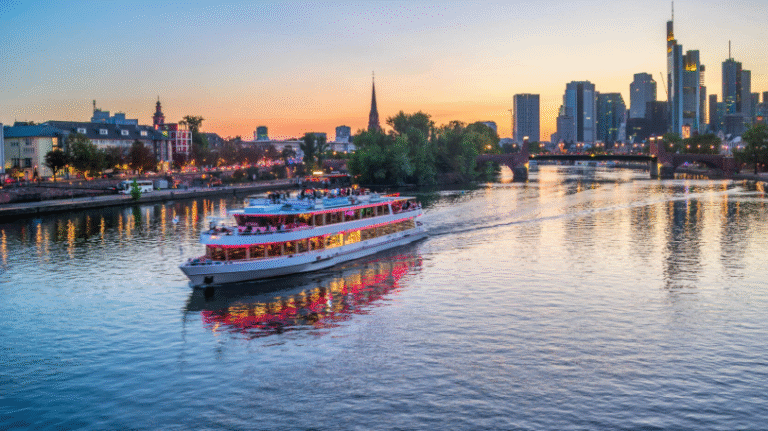
See also: Some Of the Very Best Frankfurt Travel Attractions
Designing a Cohesive Wedding Album
With hundreds (maybe thousands) of images at your disposal, your next move is crafting a narrative that feels seamless and meaningful. The layout and flow should guide the couple back through their day, triggering memories, emotions, and smiles.
Choose a Narrative Layout
Think of the album as a mini-documentary. Pages should flow like scenes in a film—starting calmly, building to an emotional peak, then ending with soft, reflective moments.
A typical sequence might look like:
- Opening spread: Location and ambiance
- Getting ready photos
- Ceremony shots
- Couples portraits and family photos
- Reception details and celebration
- Final moments, like a sunset shot, night portraits, or an empty dance floor
Be Selective, Not Exhaustive
You don’t need to include every single photo you love. A focused selection makes for a more impactful album. Let the best images speak—ones that are emotionally rich, well-composed, and meaningful.
Balance is also key:
- Mix full-page spreads with collage-style layouts
- Combine portraits with environmental shots
- Use negative space purposefully to avoid visual overload
Use Visual Storytelling Techniques
Apply visual flow techniques to guide the viewer’s eyes:
- Group sequences that share a color tone or lighting mood
- Use image orientation to lead the viewer’s eye (e.g., facing figures inward)
- Add detail shots between big moments to create rhythm
When done right, the album feels less like a scrapbook and more like a cinematic experience.
Choosing the Right Wedding Photo Album
The final step is bringing the digital story to life in print. A high-quality wedding photo album elevates your work and provides your clients with a physical keepsake that lasts for generations.
Select an album provider that:
- Prioritizes archival printing quality
- Offers page binding that ensures durability over time
- Has design tools that give you creative control
Consider premium materials like lay-flat pages or linen covers to give the album a sophisticated finish that matches the jet-setting romance of a destination wedding.
For a professional and elegant option, you can explore this wedding photo album collection which offers design flexibility and beautiful printing standards.
Tips to Elevate Your Destination Wedding Album
Even small choices can dramatically affect the overall feel of an album. Here are a few thoughtful touches that set your work apart:
- Tell mini-stories within the story. A couple whispering during sunset or a child dancing alone—these moments give personality to the narrative.
- Use quotes or text sparingly. A short line from the couple’s vows or a location date stamp can add intimacy without cluttering the pages.
- Let contrast drive emotion. Position lively dancing shots next to serene portraits to highlight the emotional range of the day.
- Don’t forget the locals. When appropriate, images of local culture or scenery (like a street musician or native flower) can add texture and authenticity.
Conclusion: Turn a Moment into a Legacy
Creating a destination wedding album is more than assembling pretty pictures. It’s turning fleeting moments into a tangible story that the couple, and their families, will hold onto for a lifetime.
As a travel photographer, you have the unique opportunity to blend your storytelling skills with the raw emotions of one of life’s most meaningful events. With thoughtful planning, intentional shooting, and careful curation, you can offer your clients something far greater than a set of wedding pictures—you’re giving them a window back to the exact feeling of that extraordinary day.
So next time you get the call for a wedding in Tuscany, Tulum, or Tokyo, take a deep breath and think like a storyteller. Your camera will capture the sights, but your approach will make it unforgettable.