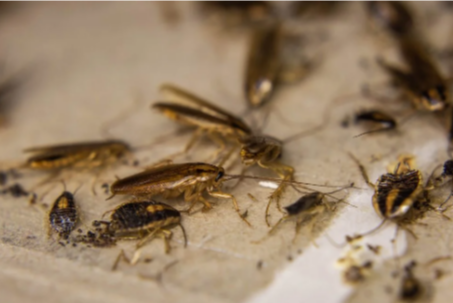
German Cockroaches Won’t Leave? The Problem Might Be Inside Your Walls

German cockroaches are one of the most persistent pests, notorious for being difficult to eliminate. You may have tried various methods like sprays, baits, and surface cleaning, even opting for multiple treatments, but still, they keep returning. Why does this happen? It’s because many homeowners focus only on the visible problem and overlook the deeper issues hiding within wall cavities and plumbing voids.
Why German Cockroach Treatments Keep Failing
Multiple treatments often fail because owners primarily target what’s visible on the surface, missing the root cause of the infestation deep within the structure. German cockroaches are highly adaptable and seek out hidden spaces that allow them to avoid exposure to treatments and continue breeding.
Warm Wall Cavities Provide Ideal Shelter
Cockroaches prefer the warmth that wall cavities offer. These areas are rich with internal water pipes and household appliances, offering them protection from predators. The stable temperatures within walls allow cockroaches to survive year-round, even during cooler months. As a result, they continue to reproduce, seemingly out of nowhere, long after surface treatments have been applied.
Hidden Moisture from Plumbing Leaks
German cockroaches thrive in moist environments, and even minor plumbing leaks can provide them with the moisture they need to survive. Condensation on pipes or slow leaks in walls often go unnoticed, creating the perfect conditions for cockroach populations to grow undisturbed.
Limited Reach of Surface Treatments
Using sprays and baits can effectively target visible cockroaches on skirting boards, cabinets, and benchtops. However, these treatments are ineffective in addressing the hidden nests inside the walls. Without reaching these deeper areas, infestations quickly rebound, making it crucial to go beyond surface-level treatment and target the cockroach harborage zones.
How German Cockroach Infestations Spread Indoors
German cockroaches reproduce quickly and often spread throughout the home without being noticed. Their small size allows them to navigate freely through structural gaps, making it easy for infestations to grow without detection.
Plumbing Penetrations and Pipe Voids
Plumbing areas are a primary entry point for cockroaches. The pipes running through walls create hidden corridors, allowing them to travel between kitchens, bathrooms, and laundries without ever being seen. These concealed spaces allow cockroaches to spread unnoticed throughout the property. Pest control methods targeting these areas are essential.
Wall Gaps and Structural Cracks
Even minor cracks or gaps in walls provide cockroaches with an opportunity to access hidden areas like power outlets, skirting boards, and wall joints. Over time, these small entry points lead to a widespread infestation that can affect multiple rooms in the house, making the problem seem sudden and widespread.
Shared Walls in Multi-Unit Properties
In apartments or townhouses, shared walls can expedite the spread of cockroaches between units. Treating just one apartment or unit is often ineffective because the pests can move through common cavities and re-enter the untreated areas. A comprehensive pest control near me approach that covers shared spaces is crucial in multi-unit dwellings.
Why Clean Homes Still Get German Cockroaches
A common misconception is that cockroach infestations are caused by poor hygiene. While food sources can attract pests, German cockroaches are primarily drawn to warmth, moisture, and shelter — not dirt.
Even clean homes can still harbour cockroaches due to:
- Warm appliances like refrigerators and stoves
- Concealed plumbing inside walls
- Stable temperatures within wall cavities
Even well-maintained and hygienic properties can experience infestations if these hidden conditions go unnoticed.
The Role of Professional Pest Management
Professional intervention becomes essential when dealing with cockroaches that live inside walls, as they often go unnoticed. Trained pest exterminators understand cockroach behaviour and focus on eliminating the infestation at its source rather than just addressing the visible signs.
Professionals:
- Conduct thorough inspections to analyse deeper problems inside wall cavities and plumbing voids.
- Use targeted treatments like gels, dusts, and residual products to address hidden nests.
- Identify moisture issues, including leaks or condensation, that fuel infestations.
- Provide exclusion advice, such as sealing gaps to prevent re-entry.
By targeting breeding zones inside the walls and hidden plumbing voids, professional pest control methods offer longer-lasting results.
Risks of Ignoring Hidden Cockroach Infestations
Ignoring cockroaches living inside walls can lead to serious long-term problems, including:
- Rapid population growth: Cockroach numbers can multiply quickly if left untreated.
- Spread between rooms or properties: Unnoticed infestations can quickly spread throughout the building.
- Increased resistance to treatments: Repeated surface treatments may make cockroaches more resistant over time.
- Ongoing contamination of food preparation areas: Cockroaches can spread bacteria and pathogens, affecting food safety.
Early intervention not only reduces costs but also prevents infestations from becoming deeply established within the structure.
Conclusion
If German cockroaches keep returning after repeated treatments, the issue is rarely cleanliness. The real cause is typically hidden harborages inside wall cavities, plumbing voids, and structural gaps. Surface treatments may offer temporary relief, but lasting results require a targeted cockroach control approach, professional expertise, and a comprehensive strategy that addresses the entire structure.
FAQs
Why do German cockroaches keep coming back after treatment?
German cockroaches often nest inside wall cavities and plumbing voids where surface treatments cannot reach. If these hidden areas are not treated, infestations quickly return.
Can cockroaches live inside walls permanently?
Yes. Wall cavities provide warmth, protection, and access to moisture, making them ideal long-term nesting areas for German cockroaches.
Are German cockroaches a sign of poor hygiene?
No. While food sources attract pests, German cockroaches are mainly drawn to warmth, moisture, and shelter. Clean homes can still experience infestations.
How do cockroaches move between rooms?
They travel through plumbing penetrations, wall gaps, cracks, and shared cavities, allowing them to spread without being seen.
When should professional pest control be considered?
If cockroaches persist after multiple treatments or reappear quickly, professional pest control is recommended to eliminate hidden nesting sites and prevent reinfestation.