Is Demon Slayer too violent for younger audiences?

Between the striking animation and fast-paced storytelling, Demon Slayer pulls no punches both literally and figuratively. With its intense battles, blood-splattered action, and emotionally loaded moments, this anime has sparked a wave of concern among viewers, especially parents. But does the show cross a line, or does it simply reflect the darker tones often seen in modern anime? Let’s take a deep breath and step into the world of Demon Slayer a world where demons are real, choices carry weight, and survival often comes at a brutal cost.
What kind of violence is portrayed in Demon Slayer?
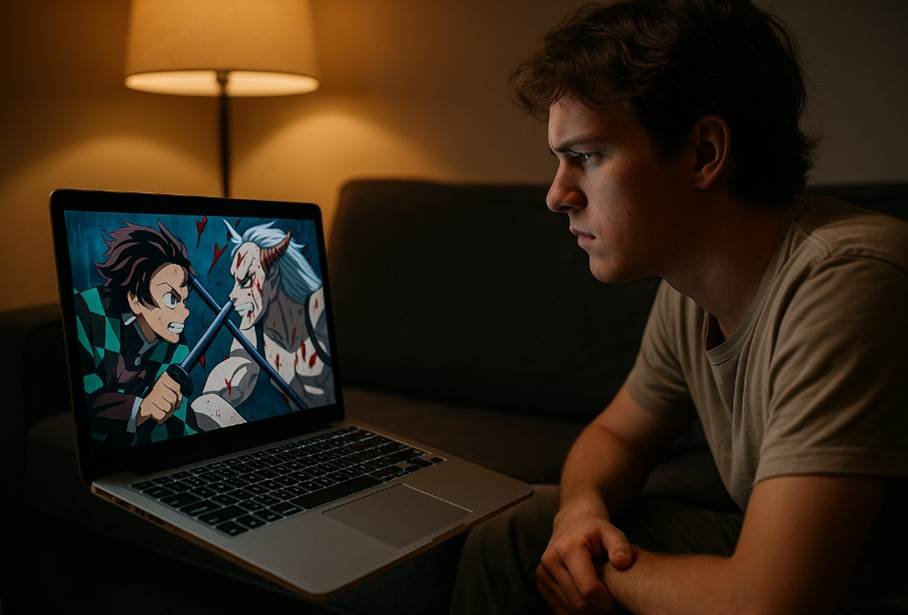
The violence in Demon Slayer isn’t random. It’s deliberate, stylised, and deeply woven into the plot. From the very first episode, viewers are introduced to tragic loss and a merciless world where humans are hunted by supernatural demons. These demons aren’t just villains they represent trauma, fear, and twisted desperation. The anime features graphic fight scenes where swords clash, limbs are severed, and blood gushes with almost painterly elegance. But it’s not all surface-level. These confrontations often carry emotional depth, as characters wrestle with morality, duty, and pain. For example, many demons were once human some victims of circumstance, others corrupted by sorrow. That emotional layering adds complexity to the violence.
Parents and viewers who are concerned should note that Demon Slayer is not shy about showing beheadings, intense suffering, or disturbing flashbacks. And while it’s not gratuitous, it is visually impactful something that may not sit well with younger or more sensitive audiences. Among the standout scenes are battles that leave major characters brutally injured or killed. One can argue it’s a reflection of reality in a fantasy world: choices have weight, and battles come with consequences. A quick scroll through dedicated collections like Demon Slayer figures even reveals how integral these battles are to the story’s identity. Characters are often portrayed mid-action swords drawn, eyes fierce, bodies scarred.
See also: Gentle Guidance Through Life’s Health Changes
Is Demon Slayer suitable for kids or teens?
This is one of the most searched and debated questions about the anime. The short answer? It depends on the child. From an Australian classification standpoint, Demon Slayer generally falls under MA15+, which is enforced for its strong animated violence and themes of horror. But many kids younger than 15 still watch it, thanks to peer influence, easy access via streaming platforms, and let’s be honest how visually stunning the show looks. Here’s where context matters. If you’re a parent wondering if it’s safe for your child, consider the following:
- Does your child understand fantasy versus reality?
- Are they emotionally mature enough to process death and trauma?
- Do they already watch other anime with strong themes?
The anime also delves into loss, family grief, and survivor’s guilt. These aren’t just passing themes they’re core to the story. Tanjirō, the protagonist, is driven by the trauma of losing his family to a demon attack. His motivation to protect his sister and avenge his family fuels every episode. While the show doesn’t sexualise its characters or include crude humour like some other anime series, the violence alone makes it a tough recommendation for children under 13.
Anime communities and review sites often suggest that Demon Slayer is best suited for ages 15 and up. And it makes sense. While the series is undeniably engaging, it’s also intense. The experience isn’t just about entertainment it’s about absorbing heavy emotions. For those exploring the anime world, visiting an anime store can give further insights into the fan culture and merchandise often highlighting which shows are trending among certain age groups.
Does the violence in Demon Slayer serve a purpose?
Not all violence is created equal. In Demon Slayer, it’s more than just visual flair. It reflects the internal battles of characters, moral dilemmas, and the cost of survival. This isn’t violence for shock value it’s narrative-driven. Take, for instance, Tanjirō’s compassionate fighting style. Even as he slays demons, he mourns their lost humanity. In one episode, he gently holds the hand of a dying demon, showing empathy even in the aftermath of combat. That scene alone challenges the usual black-and-white morality found in action shows.
The emotional undercurrent behind every fight
Every slash of the blade carries metaphorical weight. It’s as if each battle is a dance of pain and perseverance, where every injury reminds us of the fragile line between life and death. Characters like Zenitsu and Inosuke don’t just fight they grow, emotionally and mentally, through these trials.
How fear and pain are visualised
One could argue that Demon Slayer externalises internal suffering. Demons often represent the traumas that consumed them abuse, loneliness, betrayal. The fights, therefore, aren’t just battles they’re symbolic exorcisms of past pain. The violence is not glorified. It’s questioned, explored, and often mourned.
How does Demon Slayer compare to other violent anime?
To answer this properly, let’s look at other anime in the same popularity bracket:
- attack on titan
- tokyo ghoul
- jujutsu kaisen
- chainsaw man
- naruto shippuden
Compared to Attack on Titan or Tokyo Ghoul, Demon Slayer is less nihilistic. It doesn’t dive into existential horror or overly grotesque imagery. Its violence is stylised, almost elegant in execution, and usually balanced with moments of light humour and heartfelt dialogue. However, when compared to Naruto Shippuden, which is also filled with battle scenes, Demon Slayer feels more intense in visual representation. There’s more blood. The stakes feel heavier. The pacing is faster. While Chainsaw Man might win in terms of raw brutality and unpredictability, Demon Slayer offers a more balanced emotional palette. It’s violent, yes, but also deeply moving. The stylised animation with its brushstroke-style blood and graceful sword techniques makes the violence seem almost poetic. That visual flair often softens the blow but doesn’t erase its impact.
Why Demon Slayer feels so emotionally intense
Viewers often report feeling emotionally drained after certain episodes and it’s no surprise. The series plays with grief, sacrifice, and hope in a relentless rhythm. The violence isn’t the hardest part it’s the emotional rollercoaster that comes with it. Every major death feels earned and heartbreaking. The show doesn’t kill characters for cheap shock it builds up to it, lets you care for them, and then delivers the blow. That storytelling technique adds emotional weight to every wound, every scar. Parents wondering is Demon Slayer scary for kids should consider more than just the blood. The psychological tension, eerie sound design, and despairing flashbacks all contribute to an unsettling atmosphere one that may stay with younger viewers long after the episode ends.
Final thoughts and viewer reflection
Demon Slayer is violent not just physically, but emotionally. Its battles are intense, its losses real, and its visuals often graphic. But that violence carries meaning, often shining a light on grief, resilience, and humanity. Whether you’re a parent trying to gauge if it’s suitable for your teenager or a fan reflecting on its impact, it’s worth remembering: violence in Demon Slayer isn’t the destination it’s part of the emotional journey. Have you watched Demon Slayer? Did you find it intense, moving, or too much? Share your thoughts anime isn’t just something we watch. It’s something we feel.