Repair or Replace? A Practical Decision Guide for Roller Shutters Over 10 Years Old

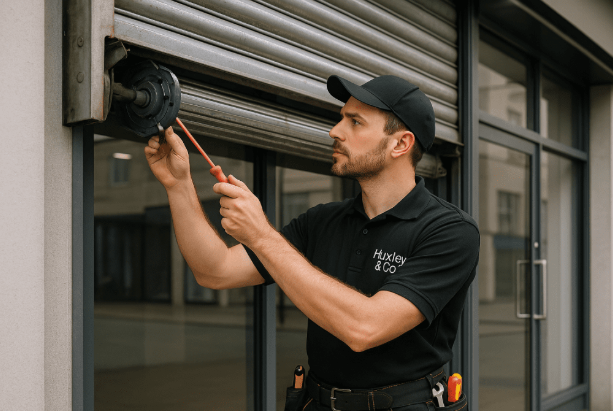
Roller shutters often exist quietly within daily life. They lift each morning and descend each night, guarding properties during darkness. And this kind of repeated usage can age the roller shutter system. Every movement adds invisible wear, and every season leaves a subtle mark.
After ten years, one question demands attention: Repair or Replace?
The answer rarely feels obvious, as emotion interferes with logic. Budget anxiety clouds judgment for your roller shutter repairs, but this guide brings clarity through reason. First things first—
Understanding the Ten-Year Threshold
Ten years marks a mechanical milestone. Components experience material fatigue by this stage. Springs lose tension gradually. Motors slow without dramatic warning. Tracks shift through vibration and weight.
Roller shutters built a decade ago reflect older engineering. Manufacturing standards evolve continuously. Safety expectations increase over time. Energy efficiency improves with innovation. Modern shutters perform differently by design.
Age alone does not condemn a shutter—Condition matters, too. Usage patterns reveal deeper truths. Maintenance history shapes long-term performance. Environmental exposure accelerates decline.
When Repairs Still Make Sense
Repair remains viable under specific conditions.
- The shutter frame must remain structurally sound.
- Tracks should show minimal distortion.
- Curtains must retain alignment.
- Mounting points require secure integrity.
So, motors younger than five years deserve consideration because recent upgrades shift replacement timelines. Intermittent faults suggest repair potential, and isolated damage often remains manageable. Wear limited to consumable parts favours repair.
Manual shutters often age gracefully, as their simplicity reduces failure points. Spring replacement restores performance effectively and slat repairs maintain security function. Cost efficiency remains reasonable.
Commercial shutters with low usage survive longer, while residential shutters often endure gentler cycles. Indoor installations extend lifespan significantly. Regular servicing delays major interventions.
Warning Signs That Demand Replacement
Frequent breakdowns disrupt daily routines and drain financial resources. But temporary fixes lose effectiveness quickly, and repairs begin resembling patchwork solutions. Some indicators signal unavoidable replacement.
- Repeated motor failures reveal systemic issues.
- Misaligned curtains indicate structural fatigue.
- Excessive noise reflects mechanical imbalance.
- Sluggish movement suggests internal resistance.
- Visible rust compromises safety severely.
- Corrosion weakens load-bearing components.
- Metal fatigue invites sudden collapse.
- Safety hazards escalate without warning.
Cost Analysis Beyond the Invoice
Repair costs appear smaller initially, while replacement costs feel intimidating upfront. But true cost evaluation demands a broader perspective. Maintenance frequency influences long-term expenditure, and operational reliability affects revenue streams.
If you make a wrong assumption, the costs are going to accumulate. Multiple repairs add up quietly. Each service call includes labor charges. Parts markup increases with rarity. Even downtime carries hidden economic weight.
Here are some pointers to keep in mind in your cost analysis:
- Replacement delivers predictable expenses.
- New warranties offer financial protection.
- Modern components reduce servicing frequency.
- Energy efficiency lowers operational costs.
Over ten years, replacement often proves cheaper and repair cycles accelerate with age. Fixing one part stresses another, and the system deteriorates collectively.
See also: Preparing Your Home Move: 8 Things Your Home Removalist Sydney Will Thank You For
Safety as a Deciding Factor
Safety considerations outweigh convenience. Old shutters pose hidden dangers, worn springs store unstable energy, failing motors create uncontrolled movement, and detached slats threaten injury.
Commercial environments heighten responsibility even further. Employees operate shutters daily. Customers pass beneath moving curtains. Workplace safety laws impose strict duties, and negligence invites severe penalties.
Modern shutters integrate protective technologies, such as:
- Auto-stop sensors prevent entrapment.
- Soft-start motors reduce mechanical shock.
- Emergency release systems ensure accessibility.
- Compliance strengthens legal protection.
Replacing outdated systems demonstrates due diligence, and proactive action reduces liability exposure. Insurers also favour modern installations with better safety. Safety investment protects human wellbeing.
Energy Efficiency and Environmental Impact
Older shutters consume more power and draw excess electricity. Poor insulation increases heating loss even more, and operational strain wastes energy daily. All in all, environmental costs accumulate silently.
So, modern shutters prioritise sustainability. Advanced motors, for instance, optimise energy usage. Improved sealing enhances thermal performance. Smart controls regulate operational cycles. And carbon footprint decreases noticeably.
These energy savings offset replacement expenses gradually and environmental responsibility enhances brand image. Green upgrades attract eco-conscious consumers.
Sustainability aligns with future regulations.
Technological Advancements Worth Considering
Technology transforms roller shutter design.
- Smart systems enable remote operation.
- Diagnostic features predict maintenance needs.
- Integration with security systems enhances protection.
- Automation improves convenience significantly.
Ten-year-old shutters lack these capabilities. For them, retrofitting proves complex and costly. Compatibility issues limit upgrade options. Replacement unlocks full technological benefits.
But modern systems can future-proof properties. Digital controls reduce human error, scheduled operation extends component lifespan, and real-time monitoring prevents catastrophic failure.
Innovation transforms basic functionality into something intelligent and responsive.
Property Value and Aesthetic Impact
Aging shutters, to say the least,affect visual appeal. Faded finishes diminish professional appearance. Dents reflect neglect subconsciously. However, first impressions are key in both residential and commercial properties.
Replacement, for instance, revitalises property presentation.
- Modern designs offer sleek profiles.
- Colour options enhance architectural harmony.
- Quiet operation improves user experience.
- Visual upgrade boosts perceived value.
Commercial properties benefit significantly from these features. Customers associate this maintenance with reliability. Updated infrastructure also builds trust.
Residential properties also gain resale advantage, as buyers appreciate modern security features. Updated shutters signal responsible ownership, inspection reports favor recent installations, and marketability improves measurably.
Conclusion
Roller shutters serve tirelessly for years, but their decline occurs gradually and quietly. Ten years represents a crossroads moment. Repair offers familiarity and comfort, while replacement promises renewal and security. But the trick lies in determining the suitable fit for your case.
The best decision balances logic and prudence. Owners should act before crisis strikes. If you need an expert opinion on the matter, feel free to talk to the professionals at Elite Roller Shutters.