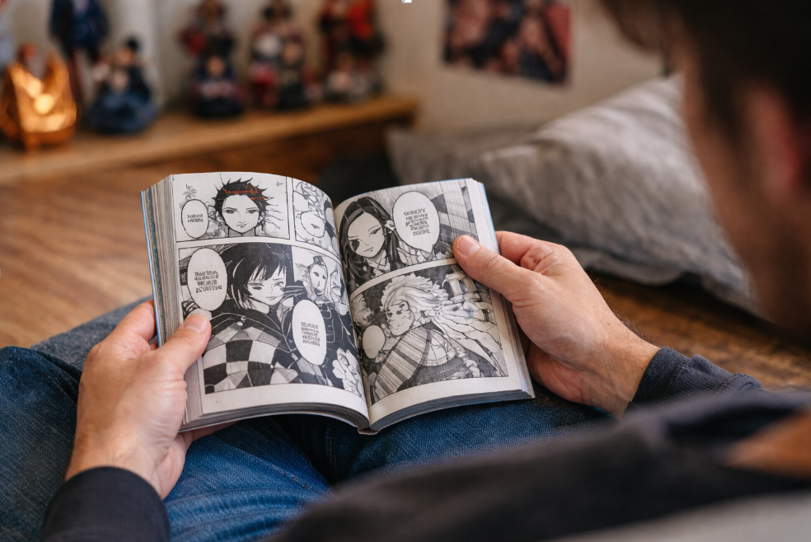
What is the moral of the manga Demon Slayer?

Behind the intense sword fights, vibrant animation and heartbreaking story arcs, the manga Demon Slayer hides something far more profound a deeply emotional and human message that resonates with fans around the world. Whether you’re new to the world of Tanjiro and Nezuko or a long-time follower of the saga, the core values explored in this manga offer a mirror into our own struggles and triumphs. In this article, we delve into the heart of Demon Slayer to answer one simple but powerful question: what is the moral of the story? From the pain of loss to the hope of redemption, the lessons hidden beneath the surface might just stay with you long after the final chapter is read.
The heart of Demon Slayer: A story of compassion and resilience
At its core, Demon Slayer is a tale about the enduring strength of the human spirit. The story follows Tanjiro Kamado, a kind-hearted boy whose family is brutally slaughtered by demons, with only his sister Nezuko surviving though transformed into a demon herself. This tragedy sets the stage for a journey driven not by vengeance, but by love, compassion, and a fierce desire to protect what remains of his family.
One of the most striking things about Tanjiro is his unwavering empathy. Even in battle, he refuses to dehumanise his enemies. Time and time again, he shows sorrow for the demons he defeats, recognising the pain and suffering that led them to darkness. This perspective challenges the typical “good vs evil” trope. Instead of painting the world in black and white, Demon Slayer explores the grey asking us to understand before we judge.
Tanjiro’s moral compass is what truly sets him apart. He’s not driven by bloodlust or revenge. His mission is rooted in healing, restoration, and hope. That’s why it’s impossible to watch or read Demon Slayer without being moved by its messages. In a world torn apart by violence and fear, Tanjiro chooses mercy.
This nuance is part of what makes the story such a compelling study of the human condition. It’s also why Demon Slayer figures and merchandise have become more than collector’s items they’re representations of ideals that people connect with on an emotional level. The anime and manga constantly remind us that demons were once humans too. Victims of circumstance. Forgotten souls. And sometimes, all it takes is a glimpse of kindness or a scent of humanity to bring someone back from the edge.
Why Tanjiro’s kindness is the true power in the story
There’s a quiet strength in Tanjiro that isn’t loud or explosive it’s steady, grounded, and emotionally intelligent. His kindness isn’t naïve. It’s deliberate. In many ways, it is his superpower. Whether it’s his patience with Inosuke, his protective instincts towards Nezuko, or the way he treats demons as tragic figures rather than monsters, Tanjiro teaches readers a lesson that is both rare and necessary in today’s world: empathy is courage. What makes Demon Slayer even more effective as a moral tale is that this empathy isn’t one-dimensional. It has consequences. Tanjiro’s choices aren’t always rewarded. He gets hurt, he fails, he mourns. But still he chooses compassion.
This unwavering moral foundation gives Demon Slayer a timeless quality. Like the best of literature, it doesn’t just entertain it transforms. And it offers a rare chance to reflect on the kind of people we aspire to be. In fact, this broader reflection has inspired many fans to explore similar storytelling and artistic expression through collectible anime figures. For those interested in capturing the essence of their favourite characters, there’s a curated range available at anime figures.
Facing loss and learning to grow stronger
Loss is a central theme in Demon Slayer. Almost every major character has endured it. Yet what defines them isn’t the tragedy itself it’s how they respond. For Tanjiro, it becomes a path of self-growth. For others, like Akaza or Rui, it becomes a descent into bitterness.
The duality of pain
Pain can either destroy or shape us. In Demon Slayer, this duality is personified in the contrast between Tanjiro and the demons he fights. While they are consumed by their sorrow, Tanjiro harnesses his own to protect, not harm. This philosophical approach to suffering is one of the key moral dimensions of the story.
From grief to purpose
The narrative shows that grief can be a fuel not for revenge, but for purpose. Tanjiro turns his grief into discipline, training relentlessly to improve himself and help others. His journey becomes one of redemption, not just for Nezuko, but for himself and the world he wants to protect. This shift from victimhood to purpose is what gives the story its emotional weight. Demon Slayer doesn’t sugar-coat the reality of pain it honours it, then shows how we can rebuild ourselves through it.
See also: Understanding Local and General Anesthesia in Dental Care
Core values conveyed through character development
Throughout the story, every character embodies different aspects of the moral landscape explored by the manga:
- Compassion
- Loyalty
- Resilience
- Redemption
- Courage
- Forgiveness
- Brotherhood
Zenitsu, for instance, represents hidden potential the idea that fear does not exclude bravery. Inosuke symbolises the challenge of identity and emotional growth. Even minor characters like Kanao demonstrate how trauma can be overcome through connection and love. More than anything, Demon Slayer teaches that true strength is not physical. It’s emotional. It’s moral. And in a world as brutal as theirs, choosing to be kind becomes the most radical act of all.
The message behind Demon Slayer’s ending
Without spoiling the final arcs, the conclusion of Demon Slayer reinforces the idea that the cycle of hatred can be broken. Tanjiro’s journey isn’t just a personal one it’s generational. The ending offers a feeling of closure that speaks to forgiveness, healing, and the beauty of human connection. It reminds us that no matter how dark the world becomes, there is always a path back to the light. Sometimes it takes one person brave enough to be kind to start that journey.
Reflecting on the story’s emotional impact
Demon Slayer doesn’t just tell a good story it awakens something in the reader. It challenges, comforts, and uplifts in equal measure. In its pages, we find echoes of our own lives: the loss we’ve known, the love we hold dear, the battles we fight silently. It’s a reminder that even in the darkest chapters, hope flickers. That kindness matters. And that even a boy with a sword can change the world not with violence, but with heart. What message did you take from the story? Did a particular character’s arc speak to you? I’d love to hear your thoughts.