Interactive Media Is Blurring the Line Between Viewer and Participant

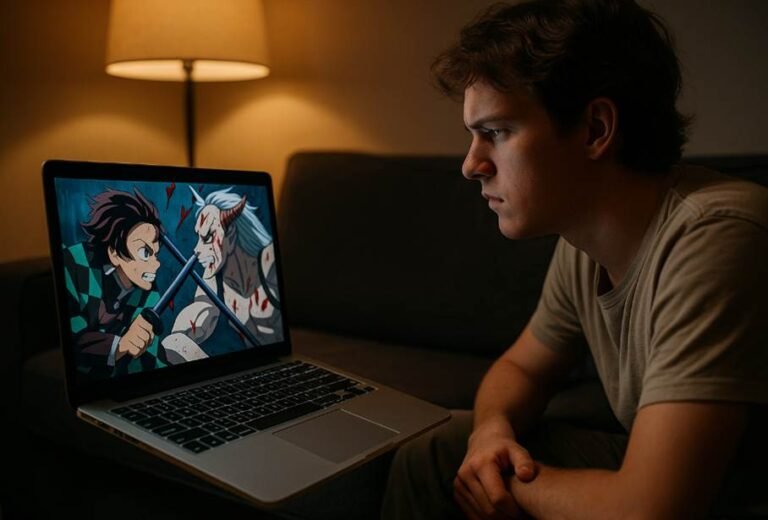
You used to just sit and watch. Maybe you laughed, maybe you cried, but that was the extent of it. You were only a viewer. Now it feels as if the screen is talking back to you.
People are clicking, reacting, and even influencing what happens next. Scrolling through content now comes with choices, opinions, and instant responses. The line between watching and participating is beginning to fade.
Gaming and Virtual Platforms Let Users Build Worlds
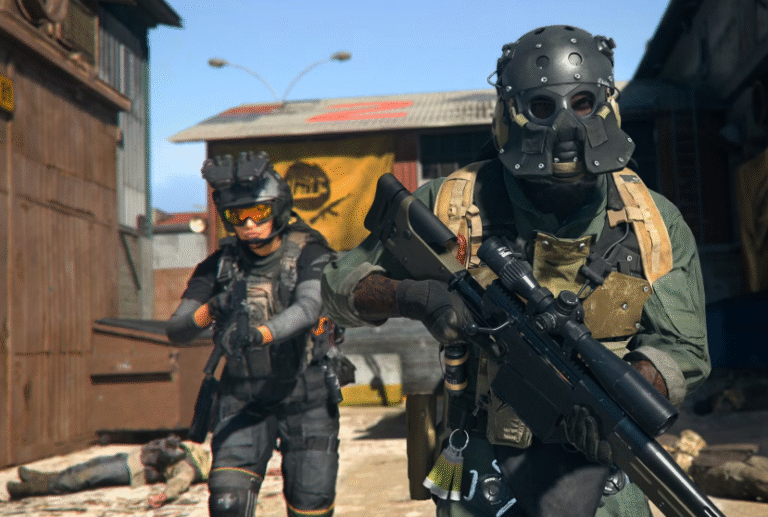
Gaming platforms are leading the way in giving users creative control. In titles such as Minecraft, Roblox, and Fortnite Creative, players are not just participants. They are designers of their own worlds. They create maps, set rules, and build experiences for others to explore and enjoy.
This marks a significant change from older games where everything was fixed and unchangeable. Today, some of the best content comes from the community itself. Players use the tools provided to build something entirely new.
This hands-on involvement is transforming gaming into a collaborative experience. Developers provide the base, but audiences expand upon it. It has become a shared space shaped by the people who spend time in it.
You can also see this trend in experiences such as online live blackjack, where players join live sessions, interact with dealers, and make real-time decisions that affect the outcome. It is no longer only about pressing buttons. It is about sharing a live moment with others. That level of engagement is reshaping how people view online entertainment.
Viewers Can Now Influence Outcomes
Interactive experiences are not simply optional extras. They are becoming the norm. More creators are developing content where the audience can shape what happens next. This goes beyond choosing an ending. It involves guiding the overall direction of the story.
Take interactive films, for example. Some streaming platforms allow users to make choices during the movie. A simple tap can decide a character’s fate and change how the story develops.
What makes this powerful is the sense of control it gives audiences. Instead of watching something designed for everyone, viewers receive a version that reflects their own decisions. This level of personalisation keeps people engaged for longer periods.
The same principle applies to live streams. Audiences can vote in real time and help determine what the host does or says next. The control that once rested entirely with the creator is now shared with the audience.
Real-Time Feedback Shapes Content
Some of the most noticeable changes happen during live broadcasts. Platforms such as Twitch, YouTube Live, and TikTok Live allow viewers to comment, react, and ask questions while the content is being presented. These responses do not go unnoticed. They influence what happens next.
Streamers often pay close attention to the chat. If enough people ask for something specific, the creator usually responds. That could be a song request, a new topic, or even a change in gameplay or discussion.
This level of interaction keeps the experience fresh. Viewers are no longer only watching. They are helping to shape the moment. It is the difference between attending a performance and joining a conversation.
The same approach is being used outside entertainment. Live webinars and workshops now encourage real-time participation. Hosts take questions from the audience and adjust their content as they go. It is fast, flexible, and engaging in a way traditional media cannot match.
User Data Drives Personalised Experiences
Not all interaction is visible. Behind the scenes, platforms collect data on what people click, how long they watch, and which content they ignore. This information helps shape what users see next.
Algorithms do more than recommend videos. They create entire feeds based on individual habits. What one person sees may be completely different from what another sees, even on the same platform.
This level of personalisation gives users the sense that content is tailored to them. It keeps audiences engaged because the platform adapts to their preferences. Even without active participation, people are still shaping their online entertainment experience.
The effect is subtle but powerful. Behaviour itself becomes a form of feedback, and platforms are paying attention.
Audiences Help Create and Spread Trends
Trends no longer begin only with companies. They often start with users. A catchy song, a funny clip, or a dance challenge can spread across the internet because people choose to share and imitate it. This type of audience-driven distribution is reshaping how content becomes popular.
On apps such as TikTok and Instagram, users add their own twist to viral content. Some mimic it, while others remix it, but all become part of the trend. It is not simply about watching. It is about taking part.
Every like, share, or comment helps push content further. Viewers have genuine influence over what gains visibility. When enough people engage with something, platforms notice and promote it even more widely.
This creates a cycle of participation. What you engage with shapes what others see, and their reactions in turn influence your own feed. It becomes a shared experience powered by the crowd.
Final Words
Interactive media is not just changing how we watch. It is changing what it means to take part in the experience. People want more than content. They want influence over how it unfolds. That shift is happening across platforms, and it shows no signs of slowing down.
We are not only viewers any more. We are part of the story.