Vlogging Camera Basics: What Really Matters Before You Hit Record

If you want to start sharing your life online, sooner or later you will ask whether your phone is enough or if you should move to a dedicated vlogging camera. Before you spend money, it helps to understand what actually shapes the look and feel of your videos. You may already feel overwhelmed by specs, model numbers, and opinions in comment sections. Instead of chasing the newest body or copying a famous creator’s gear list, think about how a vlogging camera fits your habits, your light, and your schedule. When you focus on the basics that matter most, you can ignore noisy spec sheets, choose a vlogging camera that feels natural to use, and hit record with a lot more confidence.
Know why you want a vlogging camera
Every creator starts with a different goal, and that goal should guide the way you pick a vlogging camera. Some people just want a simple way to record daily routines at home, while others dream about travel diaries, city walks, or documentary style storytelling. If you mostly sit in front of a desk, a larger vlogging camera on a small tripod might work well. If you are constantly moving, hopping on trains, or filming in crowded streets, a smaller vlogging camera that slips into a bag is easier to live with and much less awkward in public.
Take a moment to picture where your vlogs will really happen during a normal week. Are you filming short clips between classes, or long talking sessions in a quiet room? Do you care more about cinematic background blur or just a clear, honest image? The clearer your answers, the easier it becomes to filter the endless list of vlogging camera options. You will stop worrying about what everyone else uses and start looking for a vlogging camera that fits your own lifestyle and comfort level.
Resolution, frame rate, and sensor size explained
Many people begin by searching for a 4K vlogging camera, but resolution alone does not guarantee pleasing video. For most viewers, a well exposed, stable Full HD video from a thoughtful vlogging camera can look better than a shaky 4K clip with poor light. Frame rate matters too. If you mainly talk to the lens, standard 24 or 30 frames per second feels natural. If you like slow motion shots of food, pets, or city details, your vlogging camera should offer higher frame rates at the resolution you plan to use most of the time.
Behind the scenes, sensor size quietly shapes the look from your vlogging camera. A larger sensor usually means better low light performance and more control over depth of field, which gives that soft background many vloggers enjoy. Smaller sensors can still look great when paired with good lenses and careful exposure, and the cameras are often lighter and easier to carry. The key is to be honest about how much you truly need that shallow background, and whether a bigger vlogging camera is worth the extra weight in your hand or bag.
See also: Innovations in Candle Boxes Materials and Technology: Rethinking Packaging Methods
Resolution versus frame rate in a vlogging camera
When you compare specs, it helps to decide which you value more in a vlogging camera: higher resolution for detailed scenes or smoother motion for action and slow motion. If your style focuses on food, travel landscapes, or product close ups, 4K from a clean vlogging camera can give your audience a crisp view. If you run, skate, or film sports, higher frame rates may feel more important. In many cases you will switch between modes, so make sure your chosen vlogging camera lets you change quickly without digging through confusing menus every time you want a different look.
Autofocus and stabilization for real world vlogging
Fast, reliable autofocus might be the single most important feature in a modern vlogging camera. When you hold the camera at arm’s length, you want it to lock onto your eye and stay there while you walk, turn, and show objects to the lens. Good face and eye detection keep you sharp even when the background is busy or the light is changing. A weak autofocus system can turn a fun recording session into a series of soft, unusable clips, so it is worth making this a priority when you study vlogging camera options.
Stabilization works together with autofocus to keep your footage watchable. If you like to film street walks, markets, or quick updates while moving, strong stabilization in a vlogging camera can make the difference between dizzy, shaky footage and something your audience can relax into. Some models use in body stabilization, some rely on the lens, and some combine both with digital corrections. Try to imagine how often you will actually walk and talk, and look for a vlogging camera that handles those situations smoothly without forcing you to carry a heavy gimbal every time you leave the house.
Audio features that keep viewers listening
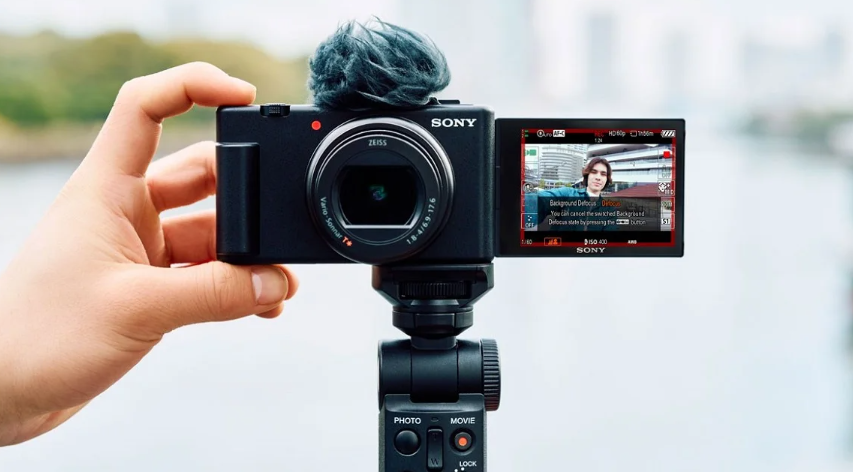
Viewers may forgive slightly soft visuals, but they rarely tolerate harsh, echoing audio. This is why the sound features on your vlogging camera deserve real attention. On camera microphones have improved, yet they still pick up wind and room noise easily. When you compare bodies, check whether the vlogging camera includes a microphone input, a cold shoe or smart accessory mount, and, if possible, a headphone jack for monitoring. These small details tell you how ready the vlogging camera is for more serious audio when your channel grows.
Think about your typical recording spaces. If you mainly vlog indoors, a small shotgun mic on top of the vlogging camera can focus on your voice and reduce room echo. If you walk around a lot or need to show things while you talk, pairing your vlogging camera with a wireless lavalier mic gives you freedom to move while keeping sound close to your mouth. Weather sealing, basic wind filtering, and simple audio level controls all help you keep your sound clean enough that people stay and listen to your story.
Screen, controls, and everyday handling
The best vlogging camera is the one you feel comfortable picking up every day. A fully articulating screen makes it easy to frame yourself, check focus, and quickly see whether you are recording. Simple, well spaced buttons and dials matter more than most spec sheets suggest. They decide whether you can adjust exposure, change focus modes, or switch from photo to video on your vlogging camera without thinking. A clear record light and a menu system you understand will save you from filming long takes only to realize nothing was actually captured.
Weight and grip shape also have a huge impact on how pleasant your vlogging camera feels during a long day. If you have smaller hands, a massive body with sharp edges may become tiring, even if the image looks great. A lighter vlogging camera that you can hold comfortably at arm’s length encourages more frequent filming. Battery life and charging options belong in this everyday category as well. A vlogging camera that charges over USB and uses widely available memory cards is easier to keep ready than one that depends on bulky chargers and rare accessories.
Balancing budget, growth, and gear fatigue
Finally, it helps to remember that your first serious vlogging camera does not need to be perfect. It only needs to be good enough that you enjoy recording and can learn the basics of storytelling, framing, and audio. Instead of spending your entire budget on the most expensive body, consider a mid range vlogging camera and leave room for a simple tripod, spare batteries, and a basic microphone. This combination often has more impact on your videos than the last bit of sharpness you gain from a much pricier model.
As you grow, you will learn which limits of your current vlogging camera actually bother you. Maybe you wish for better low light performance, cleaner slow motion, or more advanced audio options. When that happens, your next upgrade will be guided by experience rather than marketing hype. Try to protect yourself from gear fatigue, the constant feeling that your vlogging camera is never good enough. The truth is that consistent practice and clear ideas improve your videos far more than any single specification, and once you understand the basics, you can pick gear that truly supports the stories you want to tell.