How Long Does It Take to Construct a Basketball Court?

Building a basketball court is an exciting project, whether it’s for a school, sports club, community space, or your own backyard. Many people imagine it as a quick process, but in reality, the timeline depends on several important factors. From planning and permits to the final hoop installation, each stage plays a role in how long the full project will take.
In this guide, you’ll learn the typical timelines for building a basketball court, the main construction phases, and what can speed things up or slow them down. By the end, you’ll have a clear and realistic idea of what to expect before the first ball hits the floor.
Overview of Basketball Court Construction Timelines
On average, building a basketball court can take anywhere from 3 weeks to 3 months. Simple outdoor residential courts are usually faster, while large indoor or commercial courts take longer.
Here’s a general range most builders agree on:
- Outdoor half court: 3 to 5 weeks
- Outdoor full court: 4 to 8 weeks
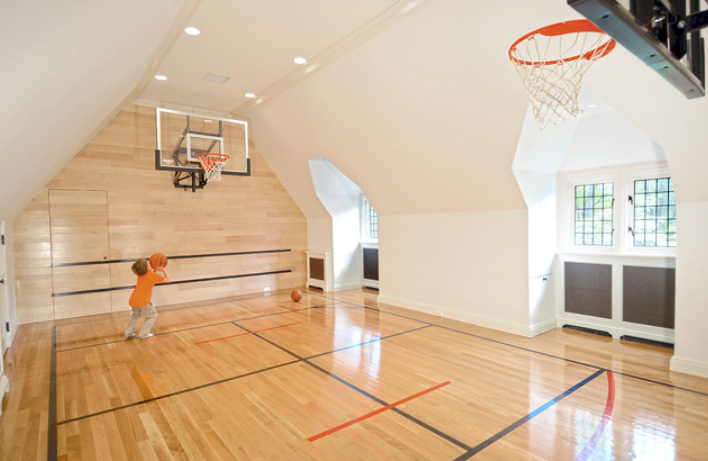
- Indoor court: 8 to 12+ weeks
These timelines include planning, construction, and finishing. However, delays with permits, weather, or material supply can extend the schedule.
Key Stages in Building a Basketball Court
Every basketball court follows a similar construction process. The time spent in each phase determines the overall project length.
Planning and Design Phase
This is where everything starts. During this stage, you decide:
- Court size (half or full)
- Indoor or outdoor
- Surface type
- Budget and layout
Design drawings, site measurements, and permit applications are handled here. For residential projects, this phase usually takes 1 to 2 weeks. Commercial or school projects may take longer due to approvals and engineering checks.
Site Preparation
Once plans are approved, the land must be prepared. This includes:
- Clearing the area
- Removing debris
- Leveling and grading
- Installing drainage
If the land is already flat and clear, this stage may take just a few days. If heavy excavation is needed, it can take 1 to 2 weeks.
Soil quality matters a lot here. Poor drainage or soft soil can increase both time and cost.
Foundation and Base Work
The foundation is the most important part of the entire project. Most courts use a concrete or asphalt base.
Steps include:
- Laying the sub-base
- Pouring concrete or asphalt
- Letting it cure properly
Concrete needs time to cure before surfacing. This usually takes 7 to 14 days. Rushing this step can lead to cracks and uneven surfaces later.
Surfacing and Painting
Once the base is ready, the playing surface is added. Common surface types include:
- Acrylic coatings
- Asphalt finishes
- Modular sports tiles
- Hardwood (indoor)
This stage includes:
- Applying surface layers
- Line marking
- Adding logos or colors
Most surfacing jobs take 3 to 7 days, depending on material and design complexity.
Final Installation and Accessories
The final step includes installing:
- Basketball hoops
- Backboards
- Lighting
- Fencing or padding
This usually takes 2 to 5 days. After this, the court is inspected and ready for use.
See also: Why a Knocked-Out Tooth Needs Immediate Action
How Long Does Each Phase Take?
Here is a simple breakdown of typical timelines:
- Planning and design: 1–2 weeks
- Site preparation: 3–10 days
- Foundation and curing: 1–2 weeks
- Surfacing and painting: 3–7 days
- Accessories and finishing: 2–5 days
For most outdoor courts, everything fits within 4 to 6 weeks under good conditions.
Factors That Can Speed Up or Slow Down Your Build
Not all projects move at the same pace. Several factors affect how long your court will take.
Weather Conditions
Weather is one of the biggest variables. Rain can delay concrete work. Extreme heat or cold can affect curing and surface coatings.
Outdoor projects are best scheduled during dry, mild seasons.
Court Size and Complexity
A simple half court with standard lines is much faster than:
- A full-size competition court
- Custom colors and logos
- Multi-sport layouts
The more customization involved, the longer the project will take.
Permits and Legal Requirements
Some areas require building permits, zoning approval, or inspections. This process alone can take days or even weeks, especially for schools and public courts.
Surface Material Choice
Different surfaces require different installation times:
- Acrylic and asphalt are quick
- Modular tiles install fast but need precise leveling
- Hardwood indoor floors take longer due to moisture control and sealing
Your surface choice directly affects the final timeline.
Indoor vs Outdoor Basketball Court Timelines
Indoor courts almost always take longer than outdoor ones.
Outdoor courts only need ground preparation and surfacing. Indoor courts may require:
- Structural construction
- Roofing
- Electrical systems
- HVAC and ventilation
- Lighting design
Because of this, indoor courts usually take 2 to 3 months or more, depending on building size.
Tips to Keep Your Project on Schedule
If you want to avoid delays, follow these simple tips:
- Apply for permits early
- Choose experienced contractors
- Order materials in advance
- Build during good weather
- Avoid last-minute design changes
Good planning can easily save you 1 to 2 weeks on the overall project.
Why Professional Builders Matter
One of the biggest reasons projects get delayed is poor planning or inexperienced contractors. Professional builders know how to manage timelines, materials, and technical requirements.
When you work with reliable Basketball court builders you benefit from expert project management, proper site assessment, and efficient construction methods. This not only ensures quality but also helps keep the project on track without costly mistakes or rework.
Experienced builders also understand drainage, surface performance, and safety standards, which are critical for long-term durability.
Final Thoughts
So, how long does it really take to build a basketball court? For most outdoor courts, expect around 4 to 6 weeks from start to finish. Indoor courts usually require 8 to 12 weeks or more.
The exact timeline depends on planning, surface choice, weather, permits, and who you hire to build it. While it may feel like a long process, proper construction ensures your court lasts for many years with minimal maintenance.
A well-built basketball court is more than just concrete and paint. It’s an investment in performance, safety, and long-term value. With the right team and realistic expectations, you can enjoy a smooth construction process and a court that’s ready for serious play.